Democracy for Sale: New Exchange Opens Trading on Voting Rights
Congress lets voters trade their ballots like pork bellies on a new electoral commodities market.
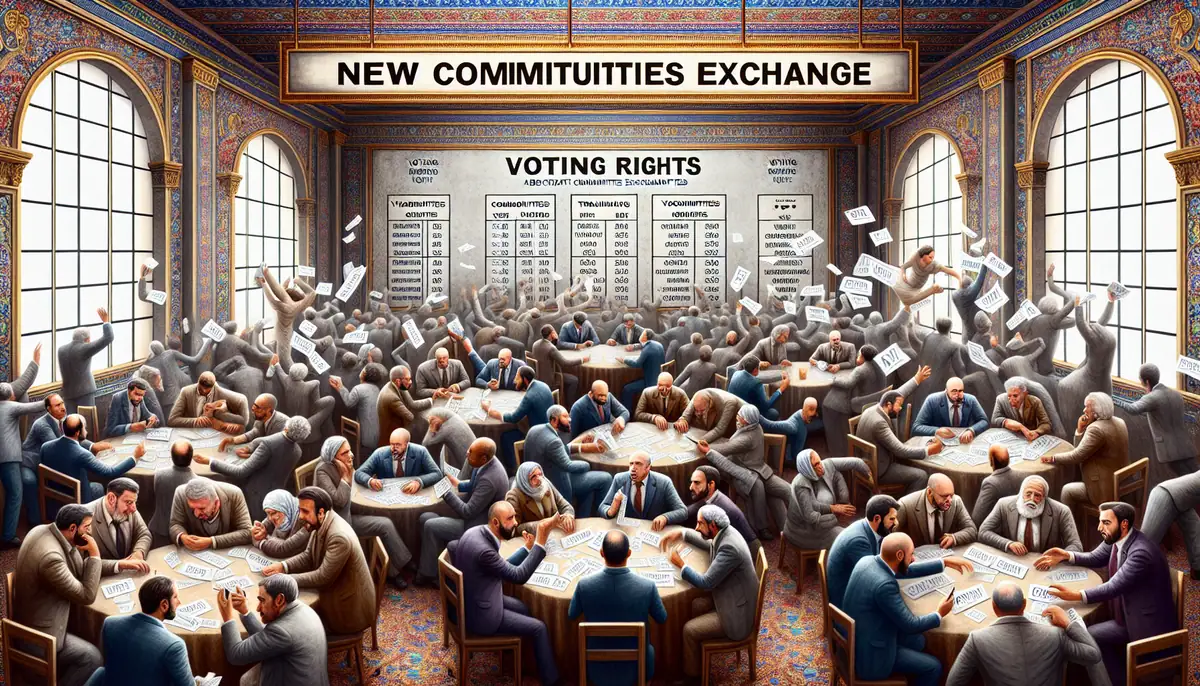
**WASHINGTON, D.C.** — In what’s being called the “final merger of capitalism and democracy,” Congress has passed the landmark “Electoral Market Freedom Act,” officially transforming citizens’ right to vote into a tradable commodity.
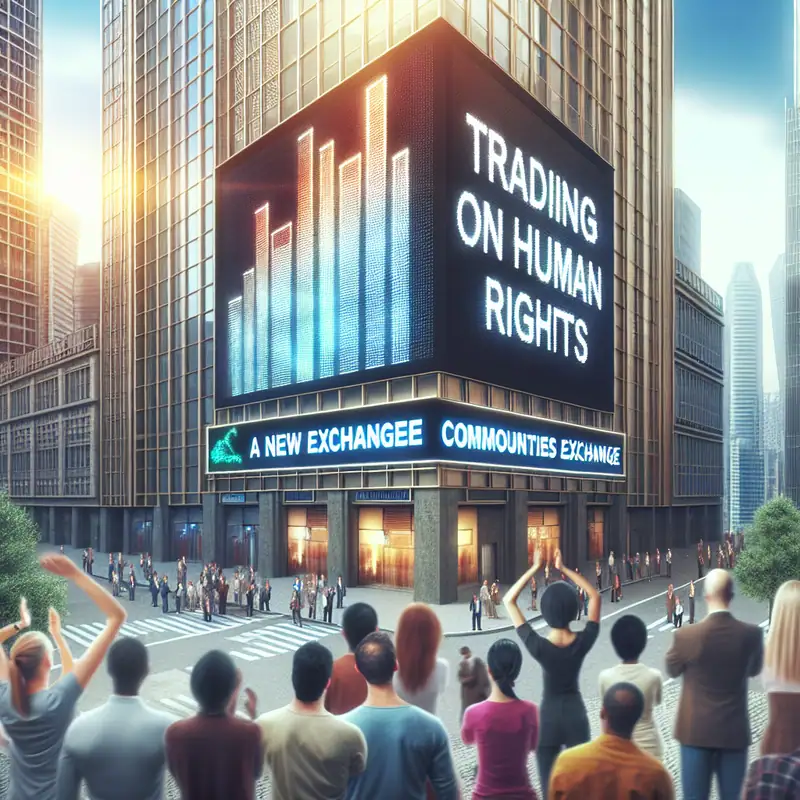
“This groundbreaking legislation finally recognizes what we’ve all known for generations—voting rights have always been about economic power,” explained Chief Market Strategist Jonathan Pierce at the opening bell of the new Vote Exchange. “Now we’ve just made the system honest.”
The new law, which takes effect immediately, establishes a regulated market where individuals can legally sell their voting rights to the highest bidder. Early market indicators show alarming price disparities based on location and demographics.
“We’re seeing voting rights in swing districts fetching upwards of $2,000, while votes in safely partisan areas barely crack $50,” explained market analyst Maria Chen. “And of course, there’s the volume discount for bulk purchases.”
Critics have pointed out that the system essentially forces lower-income Americans to choose between exercising democratic rights or meeting basic needs.
“When you’re choosing between your vote and your rent, it’s not really a choice,” said community organizer Jamal Williams, who has watched nearly 80% of his neighborhood’s voting rights transfer to a single hedge fund. “They’ve found a way to make political disenfranchisement look like freedom.”
Supporters of the legislation argue that the market simply recognizes reality. “People should be free to prioritize their immediate financial needs over abstract political participation,” said Senator Richard Greenfield, whose campaign was primarily funded by Vote Acquisition LLC. “This is just cutting out the middleman.”
Fortune 500 companies have already established special divisions dedicated to “electoral portfolio management,” with several CEOs openly discussing their strategic vote acquisitions during earnings calls.
“We’ve secured voting majorities in three key districts where environmental regulations were hampering our expansion plans,” boasted one energy executive, whose name appears on both his company’s annual report and fifteen thousand local ballots.
Wall Street analysts are bullish on the development, with Goldman Sachs releasing a report titled “Democracy 2.0: Monetizing Political Rights in the New Economy.” The report predicts that within five years, fewer than 10,000 entities will control 85% of American voting power.
At press time, economists were debating whether the inevitable concentration of voting rights would be more efficiently described as an “oligarchy” or simply “representative capitalism working as intended.”
Share this card

 Hades, Inc. Launches ‘Torment+’ App: Perdition Now Pocket-SizedSatan’s new subscription app lets you torment yourself on the go, no eternal damnation required.
More Politics
All Politics Politics
South Korea Falls for Elderly American Boy Band’s Insurance Songs
PART D sells out Seoul in nine minutes with songs about prior authorization, hold music and a knee pending since March.
 Politics
Political Science: When Logic Takes a Holiday
Democrats agree they are NPCs after weeks of gaslighting, and say it explains a lot about this timeline.
 Politics
Speaker Johnson Finds 217 Is Bigger Than 218 for Epstein Petition
Math works differently when the petition is about Epstein, the Speaker explains.